

Oils and fluids
Showing 81–120 of 121 resultsSorted by popularity
Handling time: 3-6 days.
Handling time: 3-6 days.
Handling time: 3-6 days.
Handling time: 3-6 days.
Handling time: 3-6 days.
Handling time: 3-6 days.
Handling time: 3-6 days.
Handling time: 3-6 days.
Handling time: 3-6 days.
Handling time: 3-6 days.
Handling time: 3-6 days.
Handling time: 3-6 days.
Handling time: 3-6 days.
Handling time: 3-6 days.
Handling time: 3-6 days.
Handling time: 3-6 days.
Handling time: 3-6 days.
Handling time: 3-6 days.
Handling time: 3-6 days.
Handling time: 3-6 days.
Handling time: 3-6 days.
Handling time: 3-6 days.
Handling time: 3-6 days.
Handling time: 3-6 days.
Handling time: 3-6 days.
Handling time: 3-6 days.
Handling time: 3-6 days.
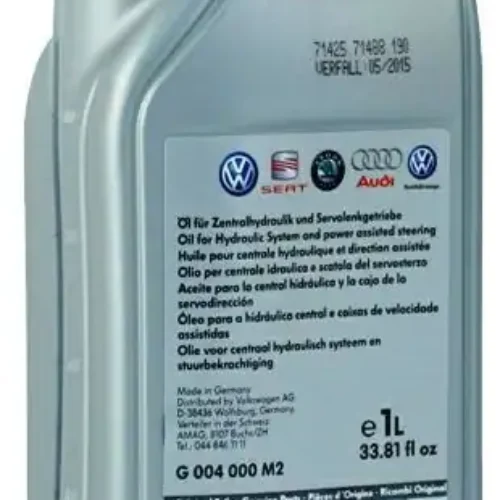
Handling time: 3-6 days.
Handling time: 3-6 days.

Handling time: 3-6 days.
Handling time: 3-6 days.
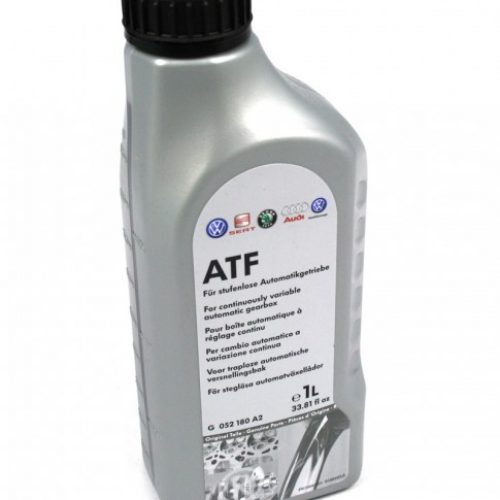
Handling time: 3-6 days.
Handling time: 3-6 days.
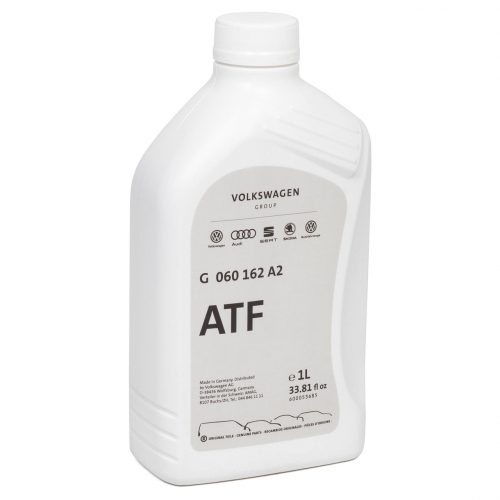
Handling time: 3-6 days.
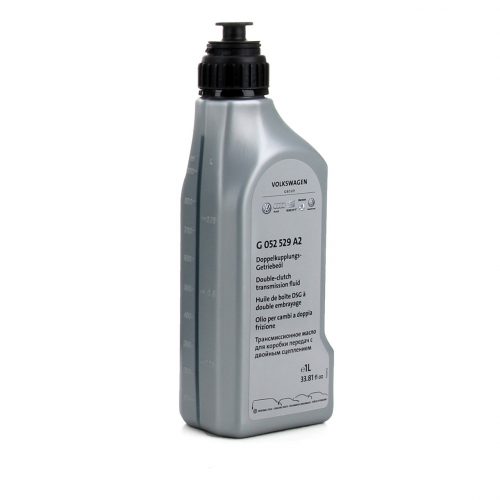
Handling time: 3-6 days.
Handling time: 3-6 days.
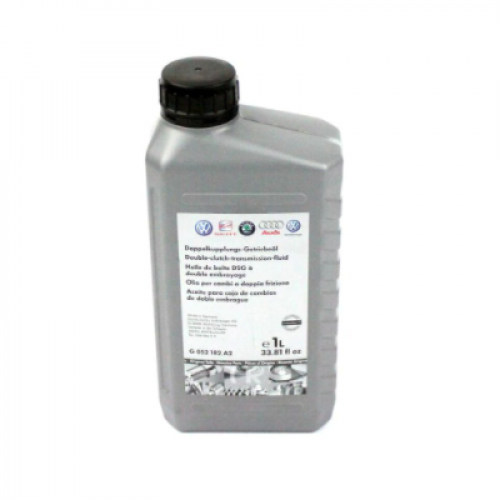
Handling time: 3-6 days.
Handling time: 3-6 days.
Handling time: 3-6 days.
Handling time: 3-6 days.

Discover a World of Automotive Excellence Under One Roof!
Our shop specializes in premium parts for Volkswagen Group, BMW, Mercedes-Benz and Volvo vehicles. From precision engineering to top-tier performance, we offer the parts you need to elevate your driving experience.
Copyright 2025 © Carpartas. All right reserved.