


Body
Showing 1–40 of 41 resultsSorted by popularity
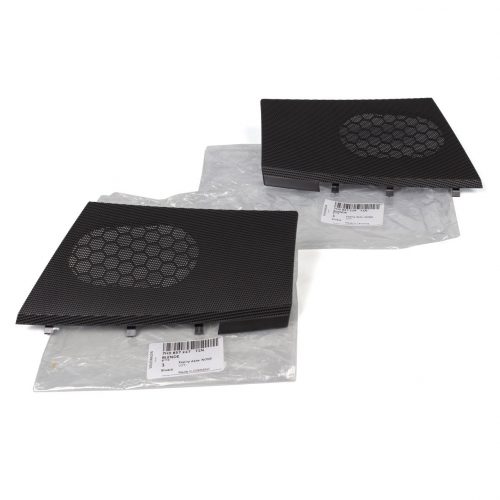
Handling time: 1 day.
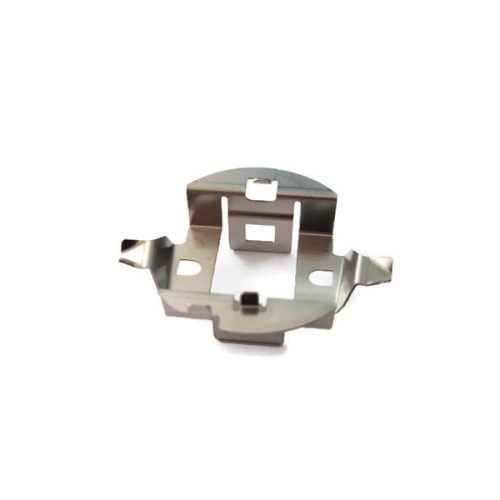
Handling time: 3-5 days.

Handling time: 3-8 days.
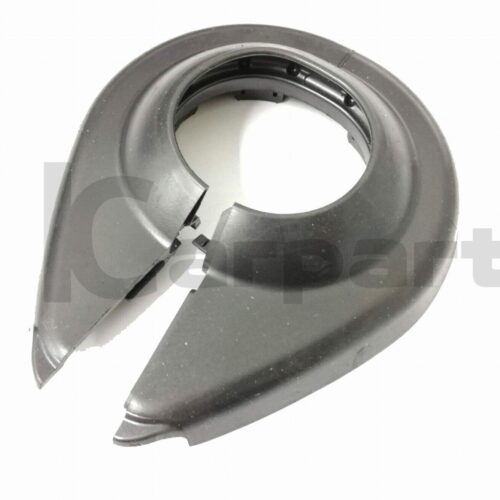
Handling time: 3-5 days.
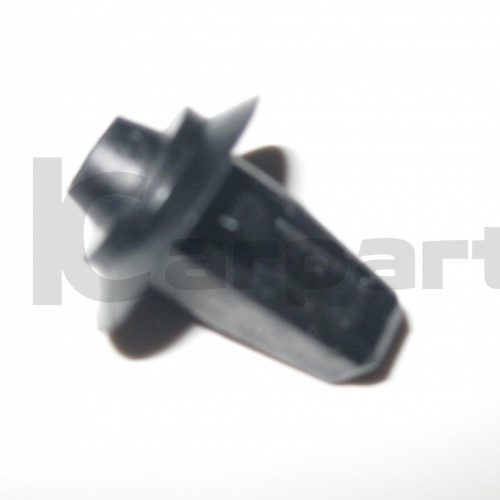
Handling time: 6-12 days.
Handling time: 1 day.
Handling time: 1 day.
Handling time: 3-5 days.
Handling time: 1 day.
Handling time: 3-5 days.
Handling time: 3-5 days.
Handling time: 1 day.
Handling time: 1 day.
Handling time: 3-8 days.

Handling time: 6-12 days.
Handling time: 6-12 days.
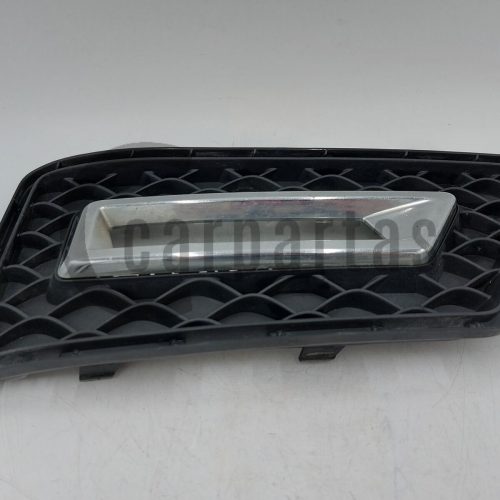
Handling time: 6-12 days.
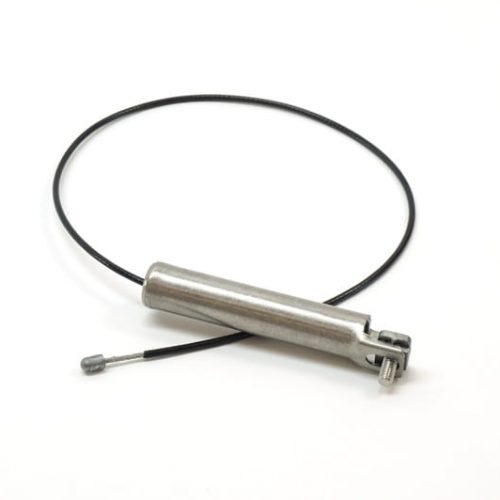
Handling time: 6-12 days.
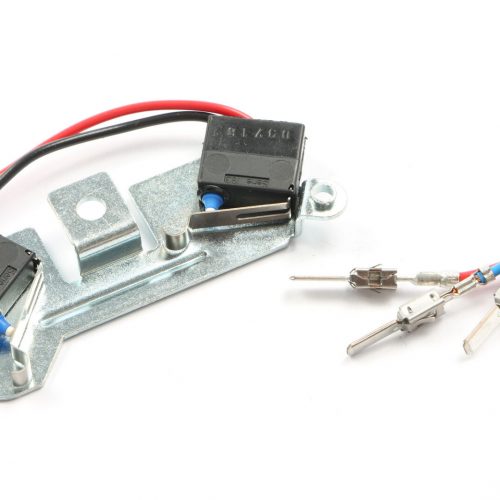
Handling time: 3-5 days.
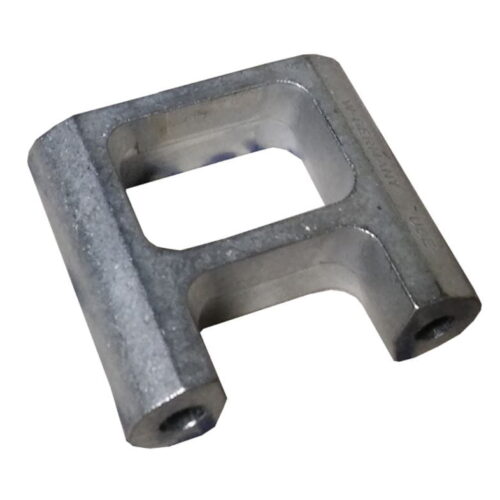
Handling time: 3-5 days.
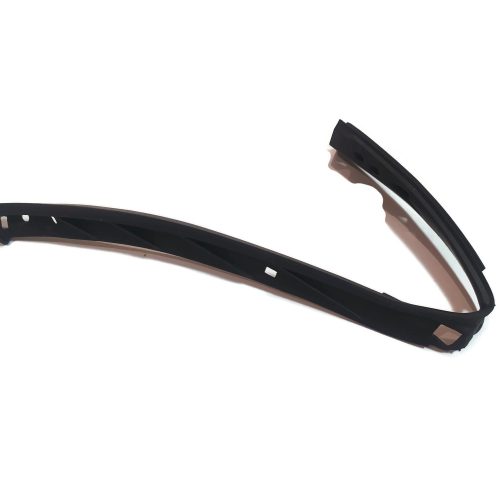
Handling time: 3-5 days.
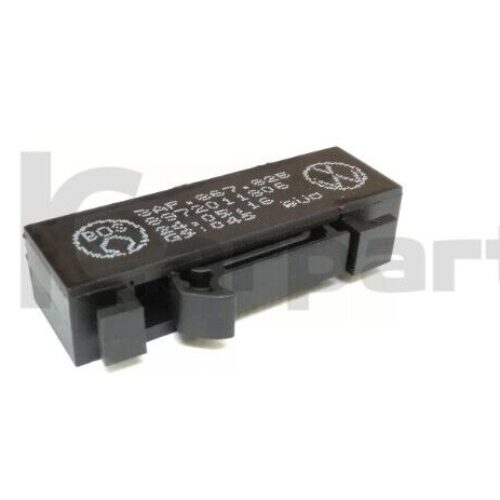
Handling time: 3-5 days.
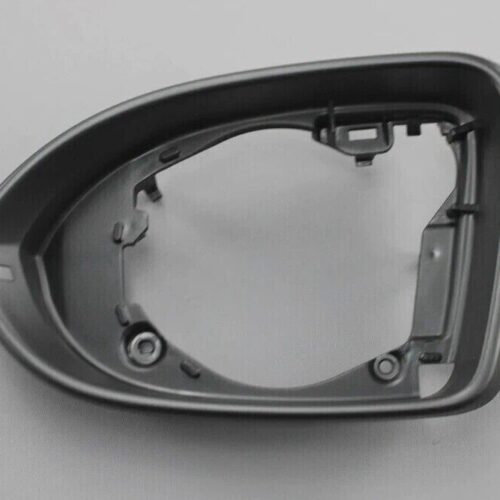
Handling time: 3-5 days.
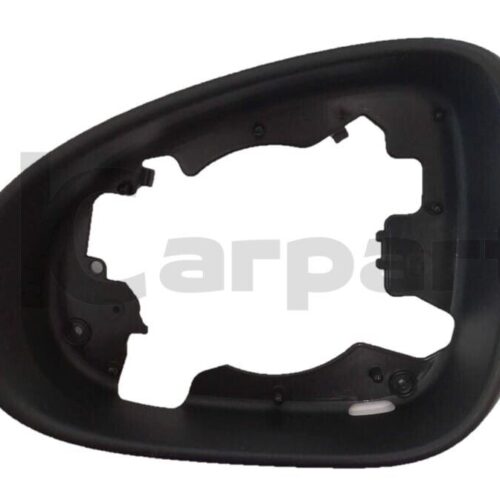
Handling time: 3-5 days.
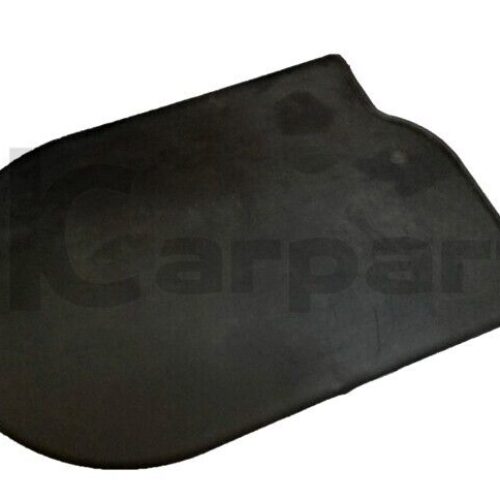
Handling time: 3-5 days.
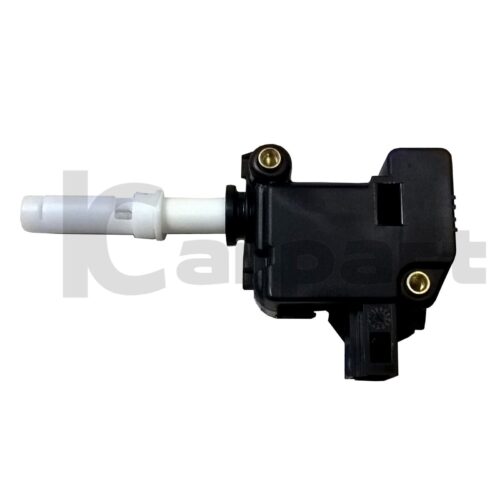
Handling time: 3-5 days.
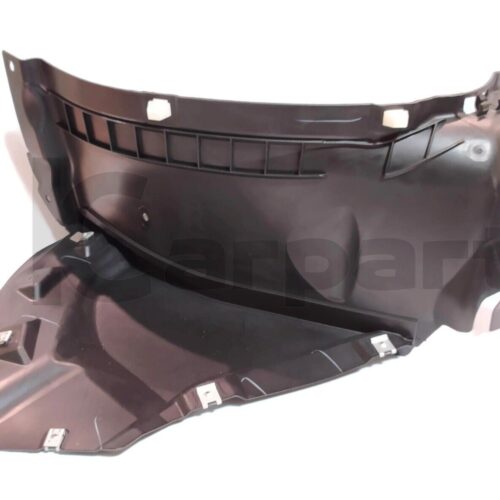
Handling time: 3-5 days.
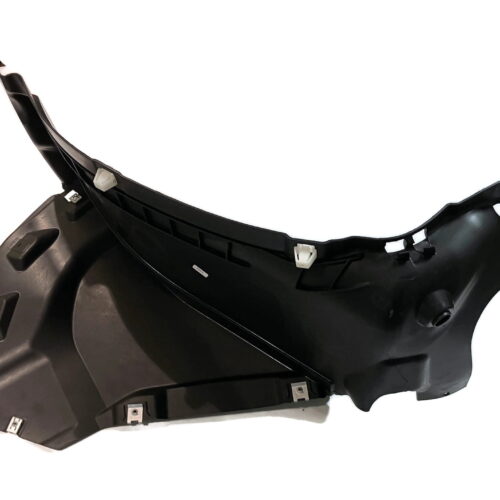
Handling time: 3-5 days.
Handling time: 1 day.
Handling time: 1 day.
Handling time: 1 day.
Handling time: 1 day.
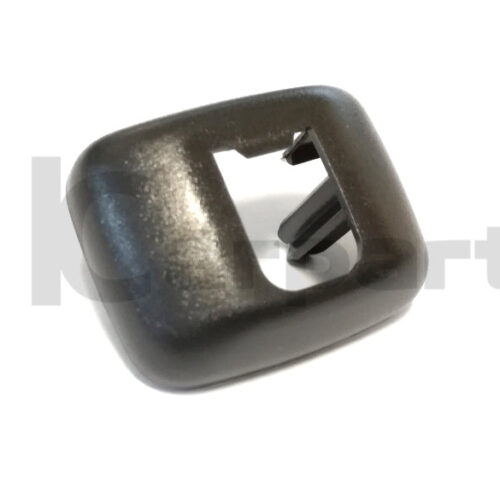
Handling time: 1 day.
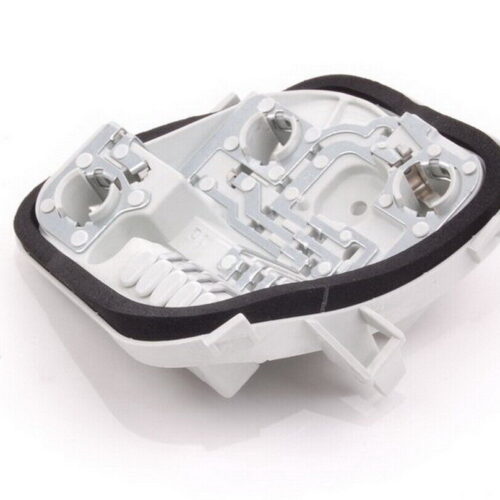
Handling time: 1 day.
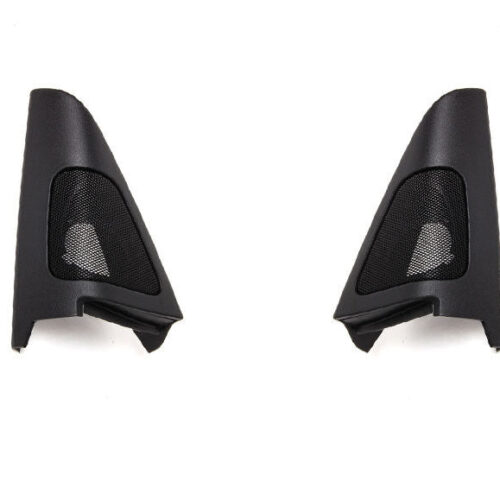
Handling time: 1 day.
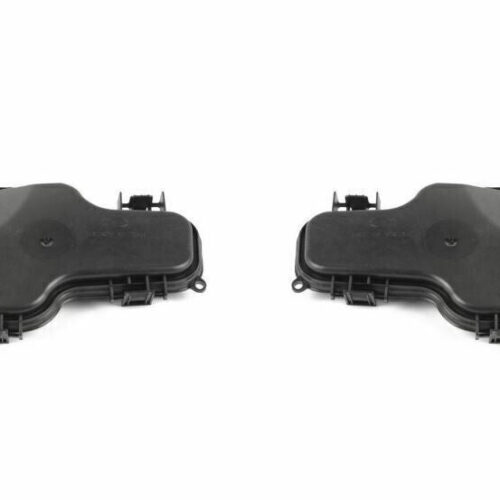
Handling time: 1 day.
Handling time: 1 day.
Genuine Body Parts and Components
The first thing people see on a car is its body. It is one of the defining features of a vehicle, making it stand out from the others. Besides providing aesthetics, your car’s body also serves as the first line of defense against potential exterior damage, like collisions. If the damage is too severe, you need to swap it out with OEM body parts and components.
Finding aftermarket body parts for your vehicle is usually not ideal. Problems like incorrect sizing can sometimes happen with aftermarket parts, especially when you purchase them from unreliable stores. But with OEM products, it’s always a guaranteed fit, and you rarely find any problems.
The Difference Between OEM and Aftermarket Parts
If you’re confused about whether to buy OEM or aftermarket parts, you can find details below explaining the two. The information will give you an overview of what each type is and the benefits they can offer you once installed:
Fit and Finish
- OEM: These parts match the precise specifications of your car’s original factory parts. This typically results in a perfect fit, seamless integration with existing body panels, and a finish that matches the original paint and texture.
- Aftermarket: Fit and finish can vary widely. Some aftermarket parts fit well, while others may require proper alignment modifications or adjustments. The finish may also differ from the original, possibly leading to mismatched paint or texture.
Quality and Durability
- OEM: These parts are manufactured to the vehicle manufacturer’s tight quality standards. This increases durability and resistance to rust, corrosion, and impact damage.
- Aftermarket: Quality differs depending on the manufacturer. Some aftermarket parts are made from high-quality materials, while others are made from lower-grade materials. Finding a store that sells quality-made aftermarket products may take a while.
Corrosion Resistance
- OEM: Manufacturers usually apply protective coatings to OEM body parts to enhance corrosion resistance. This is especially important in areas with harsh weather conditions.
- Aftermarket: Some aftermarket parts may lack adequate protective coatings, making them more susceptible to rust and corrosion. You can apply the coating yourself, but it will take time, effort, and money.
Impact Resistance
- OEM: These are designed to meet specific safety standards and impact resistance requirements.
- Aftermarket: These may not have undergone the same rigorous testing as OEM parts. They may be unable to withstand impacts and protect occupants in a collision.
Warranty
- OEM: Genuine body parts and components come with a manufacturer’s warranty to give you some level of protection against defects.
- Aftermarket: Warranty coverage can depend on the manufacturer and the part itself. Some may offer limited or no warranty.
Body Parts Within a Vehicle You Should Constantly Inspect
Bumpers
Bumpers are built to absorb impact during minor collisions, protecting more critical components. Inspect them for cracks, dents, and loose screws and bolts. Even minor damage can compromise their ability to protect your vehicle in a subsequent impact. Pay close attention to the bumper’s alignment; gaps or misalignment can indicate underlying structural damage.
Windshield and Windows
The windshield provides visibility and structural integrity when on the road. Inspect it for chips, cracks, and pitting. Small chips can quickly spread into larger cracks, especially with temperature fluctuations. Make sure all windows are free of cracks and operate smoothly. Damaged windows can compromise occupant safety and increase the risk of theft.
Lights (Headlights, Taillights, Turn Signals)
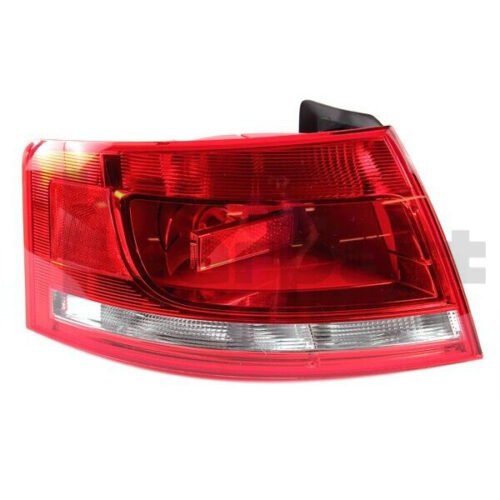
Proper lighting is necessary for visibility and communication with other drivers. Regularly check that all lights are functioning correctly. Replace any burned-out bulbs immediately. Inspect the headlight lenses for cloudiness or yellowing, as the obstruction can reduce light output. You can use headlight restoration kits to clean these stains effectively.
Body Panels and Paint
Inspect the body panels for dents, scratches, and rust. Even minor scratches can expose bare metal, leading to rust formation. Regular washing and waxing can protect the paint and prevent corrosion. Pay close attention to areas prone to rust, such as wheel wells, door edges, and the undercarriage. Early detection and repair of damage can prevent costly bodywork in the future.
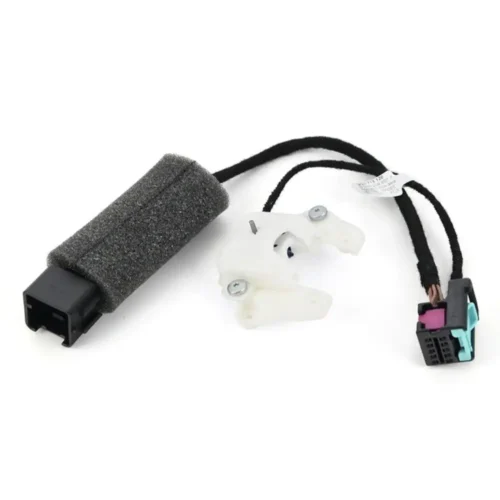
If you’re searching for high-quality body parts such as headlights, hood lock latches, or bumper covers, Carpartas can provide them. Check out our catalog of OEM body parts for various car brands, including Volkswagen, BMW, Mini, Seat, Skoda, etc. Make sure you learn more about our shipping policy before ordering to ensure a smooth transaction process.
FAQs
Recently Viewed Products
Handling time: 3-8 days.

Discover a World of Automotive Excellence Under One Roof!
Our shop specializes in premium parts for Volkswagen Group, BMW, Mercedes-Benz and Volvo vehicles. From precision engineering to top-tier performance, we offer the parts you need to elevate your driving experience.
Copyright 2025 © Carpartas. All right reserved.