

Suspension
Showing 1–40 of 41 resultsSorted by popularity
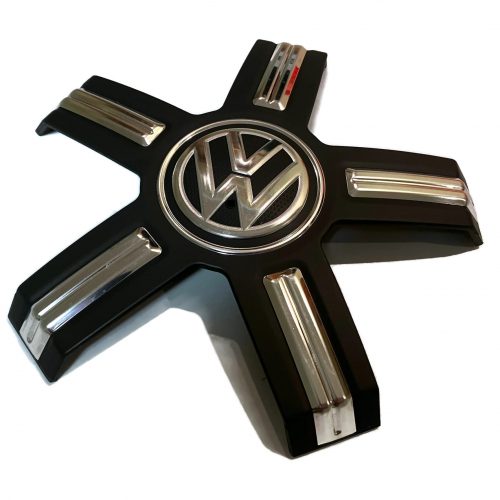
Handling time: 3-5 days
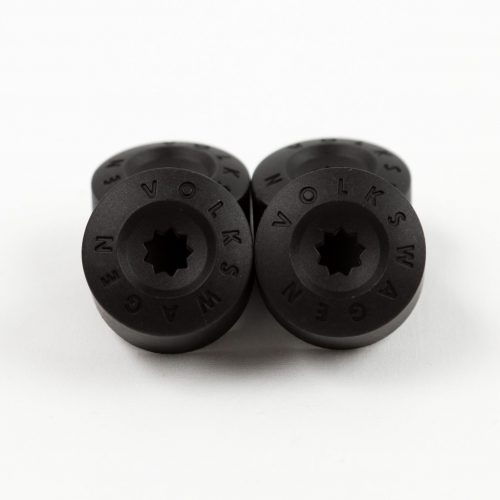
Handling time: 3 days.
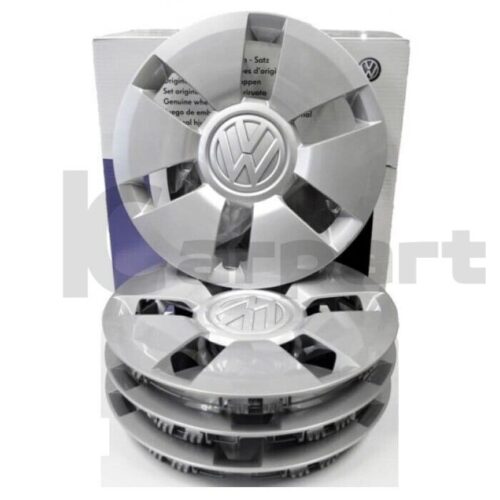
Handling time: 3-5 days
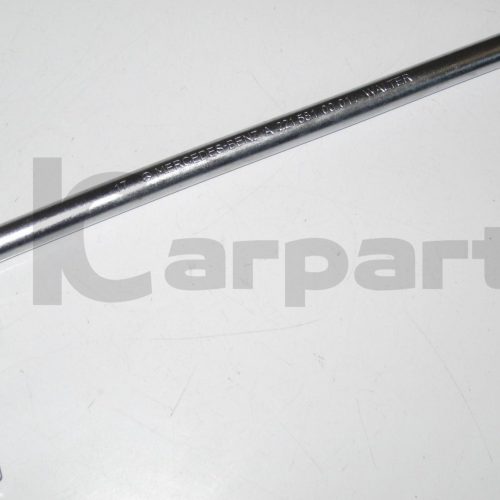
Handling time: 6-12 days
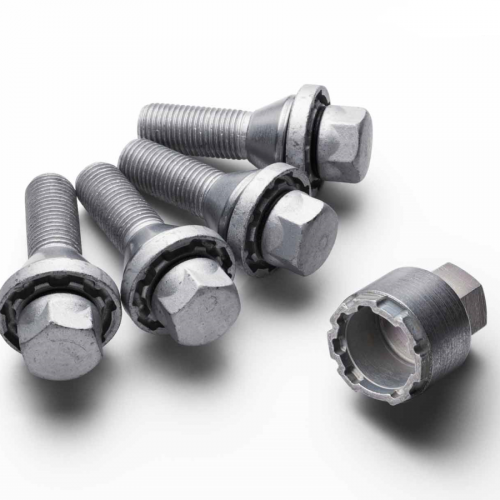
Handling time: 3-6 days
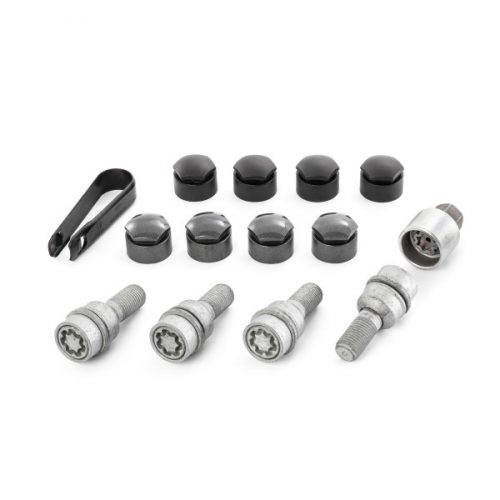
Handling time: 3 days.
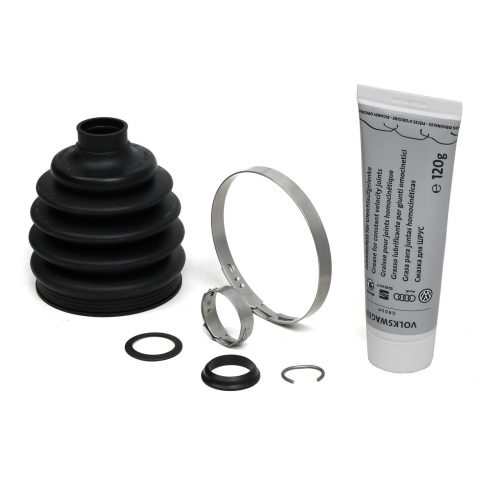
Handling time: 3 days.
Handling time: 1 day
Handling time: 3-5 days
Handling time: 3-6 days

Original Suspension Parts
Your car should provide a smooth driving experience all the time, and that’s why your suspension must function properly to dampen the impact felt by you and the passengers. It also maximizes the contact patch between the wheels and the ground for better traction. Without modern suspensions, cars will be too difficult to control and cause more road accidents.
You must maintain it regularly to ensure it does not impede your driving performance. Even something simple as doing a quick inspection before driving is good practice. You should also have it checked and maintained by your mechanic regularly to spot and repair minor issues.
What Are Modern Suspensions?
Advancements in modern technology come with many benefits, such as better suspension designs and features for vehicles. Below are the most common attributes that make up a modern suspension system:
Independent Suspension
Most modern cars utilize independent suspension, where each wheel can move up and down independently. This greatly improves ride quality and handling compared to older, dependent systems, where wheels are linked by a solid axle.
Advanced Materials
Modern suspensions incorporate lightweight yet strong materials like aluminum alloys and composite plastics. They reduce unsprung weight (the weight of components that move with the wheels), creating quicker responses and better control.
Precision Engineering
Computer-aided design (CAD) and advanced manufacturing techniques allow precise suspension geometry tuning. It improves wheel movement and camber control and minimizes body roll for enhanced stability and handling.
Adaptive Technology
Many modern vehicles have adaptive or active suspension systems. These systems use sensors to monitor road conditions and driving style. They also automatically adjust the suspension’s stiffness and ride height for optimal performance and comfort.
System Integration
Modern suspensions often work with other vehicle systems, such as anti-lock brakes (ABS), electronic stability control (ESC), and traction control. Integrating different vehicle features improves overall vehicle safety and performance.
Types of Car Suspension
Modern cars use various modern suspension systems to provide a unique driving feel. One type may offer better performance, while the other may focus on enhancing riding comfort. Here are a few types of car suspensions you can find:
- MacPherson Strut: A very common type of independent suspension, especially in front-wheel-drive cars. It combines the coil spring and shock absorber into a single unit for a compact, cost-effective solution.
- Double Wishbone: Another popular independent suspension design, often found in performance and luxury vehicles. It uses two A-shaped arms (wishbones) to connect the wheel to the vehicle, giving the driver excellent control over wheel movement and handling.
- Multi-link: This is a more complex independent suspension system that uses multiple links (usually three to five) to connect the wheel to the vehicle. It allows you to fine-tune suspension characteristics to balance comfort and performance.
- Air Suspension: This suspension system utilizes air springs instead of traditional steel springs. This enables the driver to adjust ride height and stiffness to match their preferences. You can usually find air suspension systems in high-end vehicles and trucks.
Common Issues With Car Suspensions
- Worn Shocks or Struts: These components dampen vibrations and control wheel movement. You’ll feel excessive bouncing, poor handling, and reduced braking effectiveness when they wear out. They may also leak fluid.
- Broken Springs: Springs support the vehicle’s weight and absorb shocks. A broken spring can cause the car to sag, lean, or make noise. It’s a serious safety issue and needs immediate attention.
- Worn Bushings: Bushings are rubber or polyurethane cushions that connect suspension components. When damaged, they can cause clunking or rattling noises, poor handling and uneven tire wear.
- Damaged Ball Joints: Ball joints allow movement between the control arms and steering knuckles. A worn or damaged ball joint can cause a knocking sound, steering problems, and even a complete suspension failure.
- Worn Tie Rod Ends: Tie rod ends connect the steering linkage to the wheels. Worn tie rod ends can cause loose steering, vibrations, and uneven tire wear.
- Misalignment: Misalignment refers to an incorrect wheel angle. It can happen from hitting potholes, curbs, or general wear and tear. Symptoms include uneven tire wear, pulling to one side, and a crooked steering wheel.
- Leaking Air Suspension Components: In vehicles with air suspension, leaks in the air springs, compressor, or lines will cause the vehicle to sag, have a harsh ride, or fail to maintain proper ride height.
Our store has a wide range of OEM suspension parts that will fit your car’s specific model. Take advantage of our discounts and products on sale. You should also know that we deliver worldwide. To better understand our international delivery, check out our shipping policy.
FAQs
Recently Viewed Products
Handling time: 3-6 days.
Handling time: 3-6 days.

Discover a World of Automotive Excellence Under One Roof!
Our shop specializes in premium parts for Volkswagen Group, BMW, Mercedes-Benz and Volvo vehicles. From precision engineering to top-tier performance, we offer the parts you need to elevate your driving experience.
Copyright 2025 © Carpartas. All right reserved.