
Engine
Showing 1–40 of 41 resultsSorted by popularity
Handling time: 3-5 days
Handling time: 3 days.

Handling time: 3 days.
Handling time: 3 days.
Handling time: 3 days.
Handling time: 3 days.
Handling time: 3 days.
Handling time: 3 days.
Handling time: 3-5 days
Handling time: 3-5 days
Handling time: 3-5 days
Handling time: 3 days.
Handling time: 3 days.
Handling time: 3 days.
Handling time: 3 days.
Handling time: 3-5 days
Handling time: 3 days.
Handling time: 3 days.
Handling time: 3 days.
Handling time: 3 days.
Handling time: 3 days.
Handling time: 3 days.
Handling time: 3 days.
Handling time: 3 days.
Handling time: 3 days.
Handling time: 3 days.
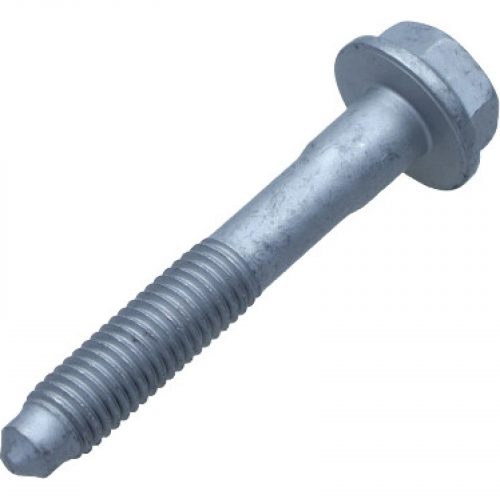
Handling time: 3 days.
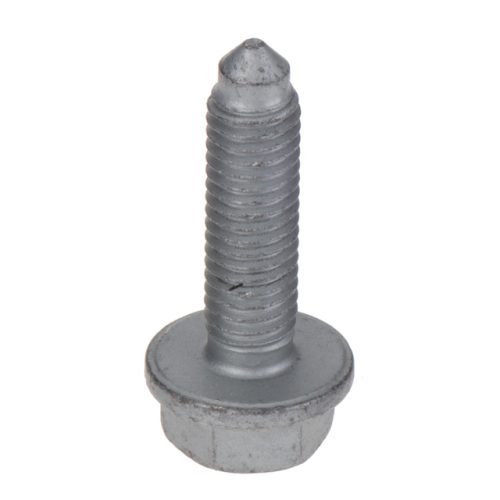
Handling time: 3 days.
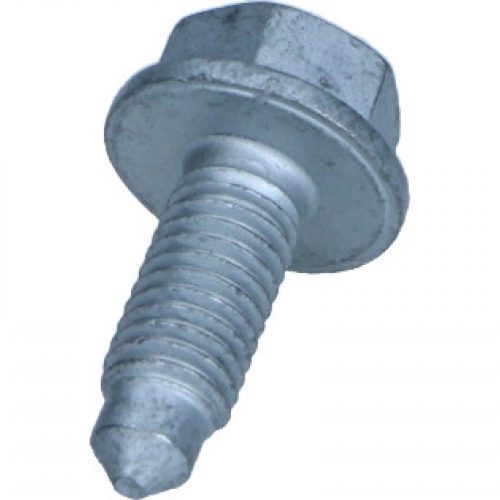
Handling time: 3 days.
Handling time: 3 days.
Handling time: 3-5 days
Handling time: 3-5 days
Handling time: 3 days.
Handling time: 3 days.
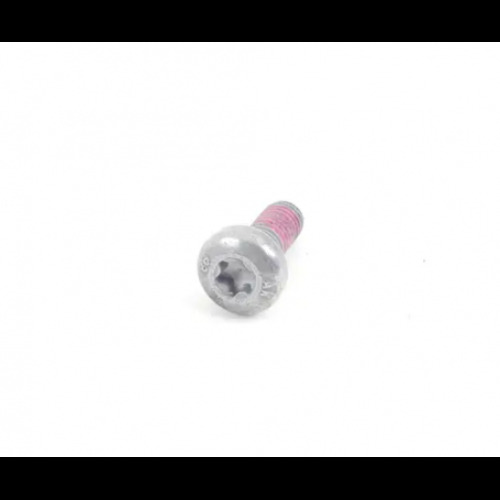
Handling time: 3 days.

Handling time: 6-12 days
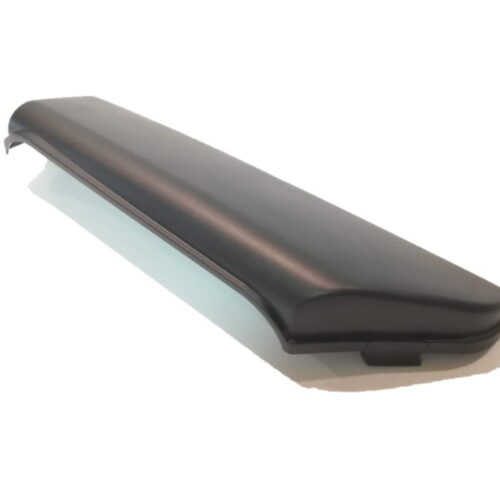
Handling time: 3-5 days
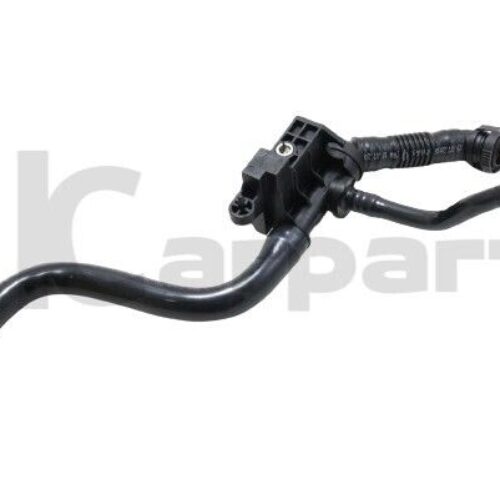
Handling time: 3-5 days
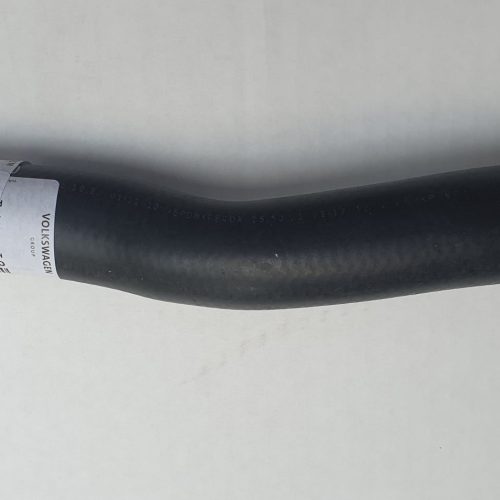
Handling time: 3-5 days
High-Quality Engine Parts
The engine is the heart of a vehicle, so it should be cared for as much as possible. Many things could go wrong with an engine without proper maintenance. Problems like overheating and misfires are clear enough that there’s something wrong with it. When it needs to be repaired, make sure you use OEM engine replacement parts and components.
These types of parts are great whenever you simply want your car to drive like it used to. While aftermarket parts are always available, they are not always guaranteed to fit your engine. They may even cause more engine damage if they use subpar materials and manufacturing techniques.
Why Should You Choose OEM Engine Replacement Parts?
You might be able to reduce maintenance expenses when you buy aftermarket parts. However, you will be missing out on great benefits when you don’t use OEM parts and components. Some of these well-known advantages include:
- Guaranteed Compatibility: OEM parts are designed and manufactured for your vehicle’s make and model. They will perfectly fit and integrate well with other engine components. You also avoid compatibility issues with aftermarket parts, saving you time and headaches during the installation.
- Superior Quality and Reliability: OEM parts are often produced to the manufacturer’s stringent quality standards, exceeding those of aftermarket alternatives. This translates to greater durability, reliability, and a longer lifespan for your engine components.
- Maintained Vehicle Performance: OEM parts can optimize performance and efficiency. Using them maintains your vehicle’s original performance, ensuring smooth driving, proper fuel efficiency, and optimal power output. Aftermarket parts are known to alter these factory settings, sometimes negatively.
- Preserved Warranty: Aftermarket parts can sometimes void your vehicle’s warranty. On the other hand, OEM parts are guaranteed to meet the manufacturer’s specifications, preventing any warranty-related disputes. This is mostly important for newer vehicles still under warranty.
- Enhanced Resale Value: Using OEM parts preserves your vehicle’s resale value. Some buyers may prefer vehicles with their original components intact, showing that you have cared for the vehicle exceptionally well. Using original parts can also help you set your vehicle at a higher price.
Expert Engine Maintenance Tips to Remember
- Regular Oil Changes With Quality Oil: This is the most critical engine maintenance task. Fresh oil lubricates, cleans, and cools the engine. Stick to the manufacturer’s recommended intervals and use high-quality oil.
- Monitor and Maintain Coolant Levels: Avoid engine overheating by regularly checking and maintaining proper coolant levels. Use the correct coolant mixture to avoid corrosion and provide effective cooling.
- Inspect and Replace Air Filters Regularly: A clean air filter optimizes airflow to improve engine combustion. Follow the manufacturer’s schedule during a replacement job to maintain performance and fuel efficiency.
- Check and Replace Spark Plugs: Worn spark plugs cause misfires and reduce performance. Inspect and replace them per the recommended intervals to ensure proper ignition.
- Inspect and Maintain Belts and Hoses: Prevent breakdowns by regularly inspecting belts and hoses for wear, cracks, or leaks. Replace them as needed to avoid costly engine damage.
Once you find an engine component that needs replacing, consider getting it from Carpartas. Our catalog has a wide range of parts for various brands, including Mercedes-Benz, Audi, Seat, and more. You can also check out our best-sellers page to see what our customers buy from us the most.
FAQs

Discover a World of Automotive Excellence Under One Roof!
Our shop specializes in premium parts for Volkswagen Group, BMW, Mercedes-Benz and Volvo vehicles. From precision engineering to top-tier performance, we offer the parts you need to elevate your driving experience.
Copyright 2025 © Carpartas. All right reserved.